There’s something that happens all the time in wingfoiling: you get started, you manage a few runs, maybe even lift off once… and then you go in the wrong direction.
Not because you lack ability, but because of the gear — or even more often, because of advice that oversimplifies everything. Yes, getting up on foil can happen quite quickly. But that’s not learning. That’s just the beginning.

The real step is somewhere else: controlling the flight, maintaining it, understanding what’s happening under your feet, and eventually getting into your first transitions without turning every session into a struggle. And this is exactly where your setup makes all the difference.

The wing: the right one teaches you, the wrong one slows you down

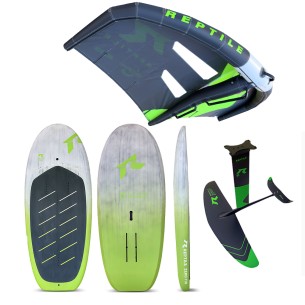
The wing is probably the most underestimated part of the setup, yet it has a direct impact on how fast you actually understand what you’re doing.
A latest-generation wing, compact and well-built, completely changes the feeling in your hands. It’s not just about materials, it’s about response. When the wind hits, everything needs to feel immediate, readable, stable.
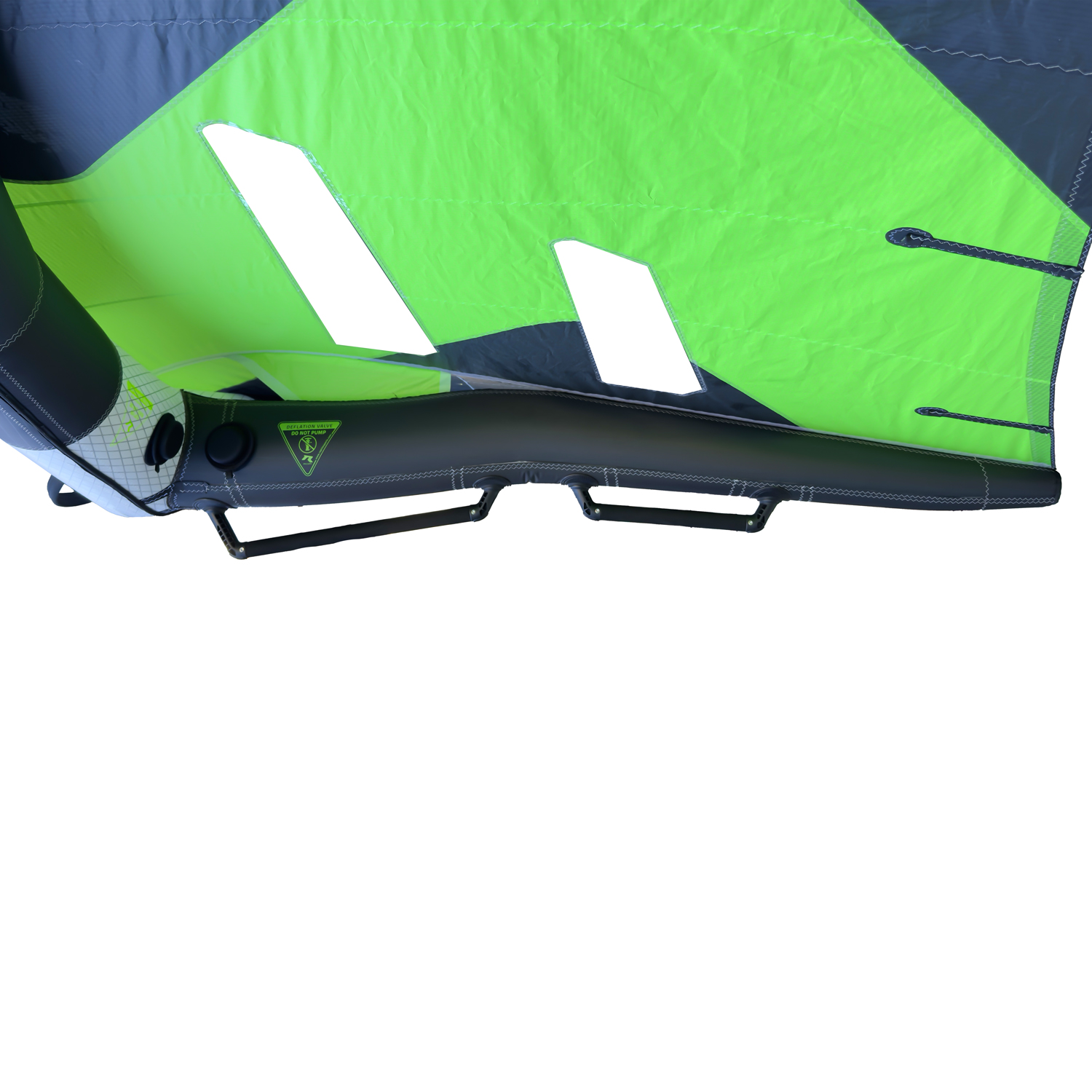
Long rigid handles make a huge difference here. This isn’t some technical detail for gear nerds — it directly affects your learning curve. They give you precision, control, and consistency in your movements. Which means you understand faster, make fewer mistakes, and progress sooner.

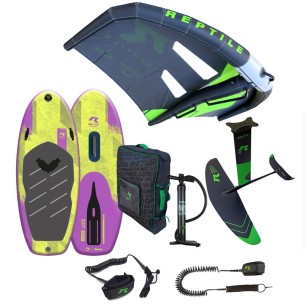
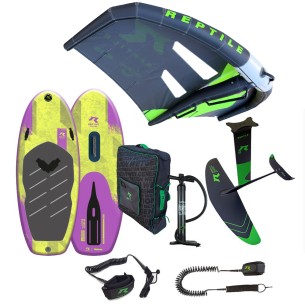
As for size, a 5.0 is simply the most logical choice in most conditions. With wind between 12 and 18 knots, it allows you to do everything without overcomplicating things. When the wind drops below that range, starting with a 6.0 makes much more sense ( Pack wing Zero Breeze) because at the beginning you don’t yet have the technique to generate speed yourself.


There’s also something often overlooked: lighter riders or younger riders need properly scaled gear, not adapted gear. That’s where the difference between enjoying the sport and struggling unnecessarily really shows Pack Wing Grom.

The board: stop thinking about performance, start thinking about balance

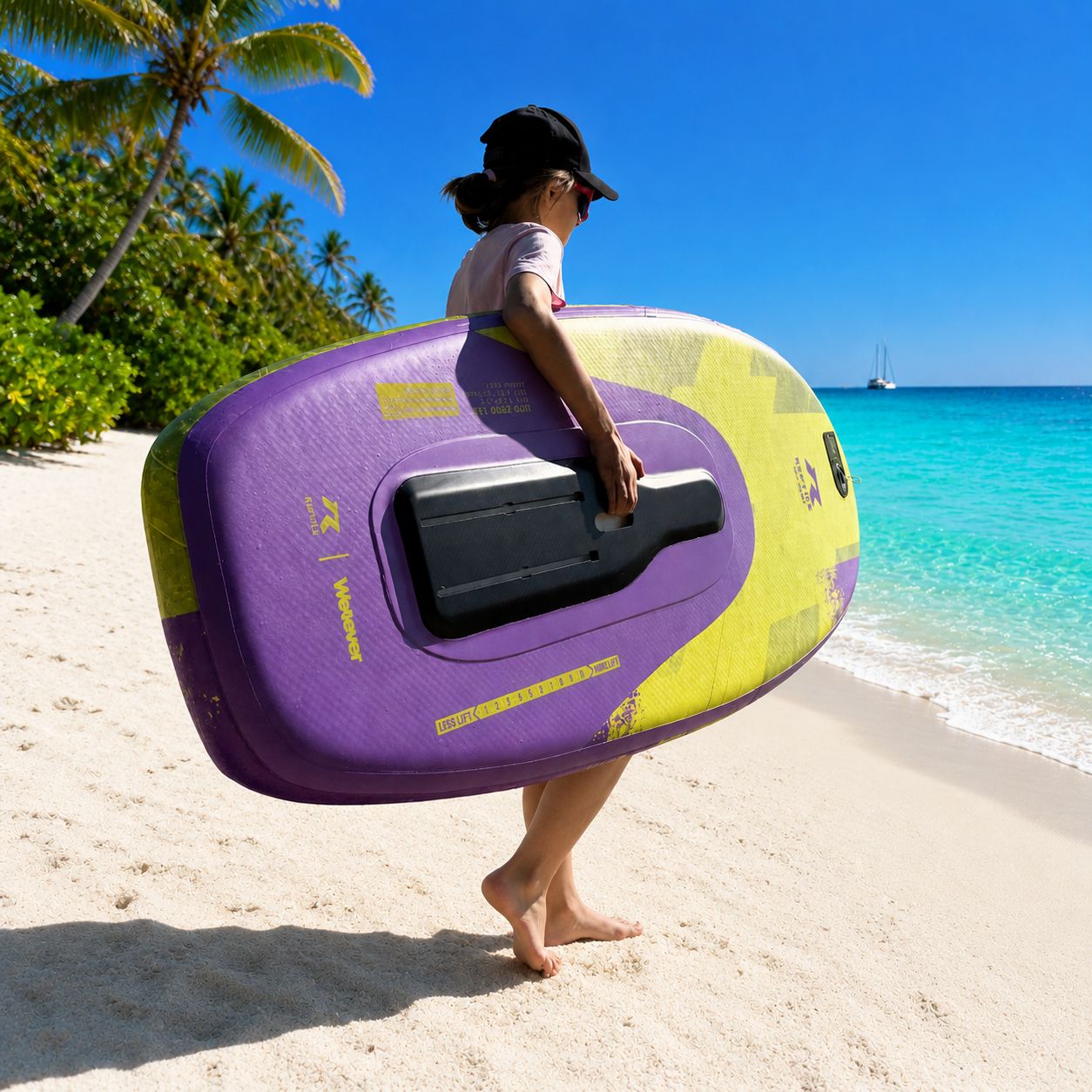
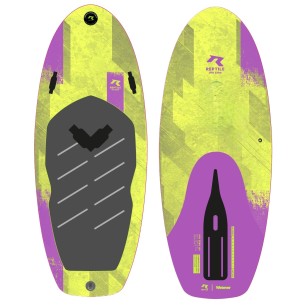
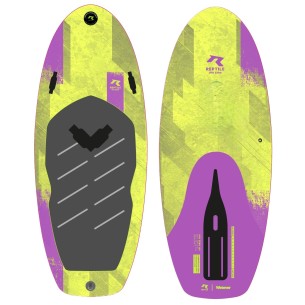
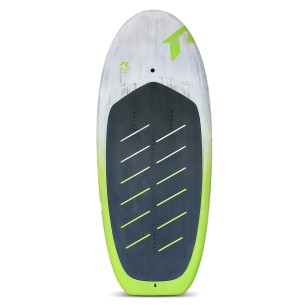
This is where the game is really played. The temptation to go for a smaller board comes early, often right after your first flights. But that’s exactly the moment when you should do the opposite: slow down and choose something that allows you to build solid foundations. As our new UFO ZERO.

The rule of adding 40–50 liters to your body weight is not a “safe” recommendation. It’s simply the smartest way to actually learn. With that volume under your feet, you’re not constantly fighting to stay balanced. Instead, you can focus on the foil, your stance, and your reactions.

And there’s something many people forget: the sea, the ocean, the lake is never the same. A flat day can trick you into thinking you’re progressing faster than you really are, but as soon as there’s some chop, everything changes. Extra volume means you can handle all conditions, not just the easy ones.
Shape matters too. Length and width must work together to create real stability, not just look good on paper. When you stand up, it should feel natural, not like you’re constantly correcting micro-instabilities that drain your energy and attention.

The foil: at the beginning, it should do the work for you

At the start, you don’t know how to pump. That’s just reality.
You’re passive, waiting for the right gust, trying to understand what’s happening, often reacting too late. It’s a normal phase — but it’s also where the foil needs to support you.
A good beginner foil lifts early, works at low speeds, and feels predictable. It doesn’t demand perfect technique, it helps you develop it.
When a gust comes and you give a small pump with your arms, you should feel the lift immediately. Not later, not maybe. Immediately.
That’s when things start to connect, and that’s when real progression begins  Aqua Lift

The biggest mistake: “go smaller as soon as you fly”

There’s a narrative out there, especially online: you start, you fly, and then you should immediately downsize everything. It sounds good. It doesn’t work.

Going too small too early is one of the most common mistakes. You lose stability, waste energy, and slow down your learning process. Instead of progressing, you’re just trying to survive each session.
The truth is much simpler: your first setup needs to stay with you for a while. You need to use it, understand it, and fully exploit it.

You should reach a point where you can control your flight, close your jibes, start working on tacks, handle different conditions with confidence.
Only then does it make sense to change. Not before.

Learning properly is faster than learning quickly

It might sound like a paradox, but it isn’t. Riders who start with the right equipment, gear that actually supports learning, progress steadily, without blocks, without frustration, without needing to rethink everything after a few sessions.
Those who rush into performance gear too early often end up taking steps backward, even if they don’t realize it. Wingfoiling is an incredible sport, but it doesn’t forgive poor initial choices.

So the goal isn’t to pick something “good enough to start.” The goal is to choose something that allows you to truly learn. And if you start that way, you won’t need to chase progress.
You’ll already be on the right path.

Related products

Comments (0)

No comments at this moment
Cookie consent